
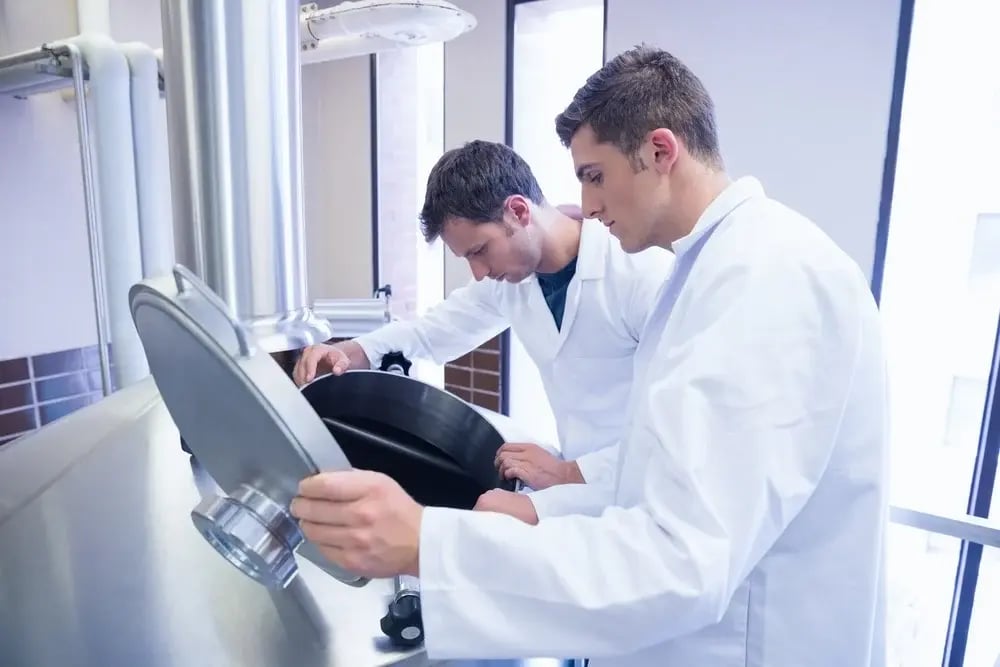
Food and beverage manufacturers operate in some of the most highly regulated production environments in the world. From sanitation chemicals and temperature swings to strict FDA requirements, sealing components must perform flawlessly to protect product quality and keep lines running.
Need help selecting the right seal for your clean-cuisine application? Wyatt Seal works with processors every day to match FDA-compliant materials to real-world operating conditions—reducing downtime, preventing contamination, and supporting regulatory confidence. Contact our team to get expert guidance for your operation.
Choosing the right seal isn’t just about fit—it’s about safeguarding your process from contamination, premature failure, and costly recalls. Below are the most critical factors to consider when selecting food-grade sealing solutions for modern processing equipment.
Preventing Contamination at Every Stage
Contamination prevention is the top priority in any food facility. Seals must block out:
- Dirt and dust
- Moisture ingress
- Microorganisms and bacteria
Poor sealing can allow foreign material into processing equipment, creating serious food safety risks. High-quality elastomers with tight tolerances and hygienic designs help maintain sanitary conditions throughout production.
Chemical Compatibility With Cleaners and Ingredients
Food processing environments expose seals to more than just product media—they’re constantly in contact with:
- Clean-in-place (CIP) and sterilization-in-place (SIP) chemicals
- Sanitizers and disinfectants
- Oils, fats, sugars, and acids
Selecting chemically compatible materials is essential to prevent swelling, cracking, or leaching that could compromise both equipment and food safety. Wyatt Seal helps customers match seal materials to real-world operating conditions, not just lab specs.
Performance Across Temperature Extremes
From ovens and fryers to blast freezers and cold storage, seals must perform across a wide temperature range. Thermal cycling can cause:
- Hardening or softening
- Loss of elasticity
- Compression set
- Leakage
Choosing elastomers designed to handle these extremes keeps production lines running and reduces unplanned maintenance.
Hygienic Design and Easy Cleanability
In washdown environments, seal geometry matters just as much as material. Food-grade seals should feature:
- Smooth, crevice-free surfaces
- Minimal product traps
- Easy removal for inspection
- Resistance to bacterial growth
Hygienic designs simplify sanitation procedures while supporting regulatory compliance.
Durability Under Mechanical Stress
Processing equipment experiences constant movement, pressure, and vibration. Over time, inferior seals can wear prematurely—leading to leaks, contamination risks, and downtime. The right sealing solution must withstand:
- Repetitive motion
- High pressures
- Abrasion and friction
- Frequent cleaning cycles
Proper material selection and routine inspection programs help extend service life and improve reliability.
Meeting FDA and Regulatory Requirements
Compliance isn’t optional in food production. Seals must meet FDA regulations and other applicable industry standards for food contact materials. Non-compliance can result in:
- Costly recalls
- Production shutdowns
- Regulatory fines
- Brand damage
Wyatt Seal supplies FDA-compliant sealing solutions and works closely with customers to support documentation needs and regulatory reviews.
Partner With Wyatt Seal for Food-Grade Sealing Solutions
Food processing environments demand precision, reliability, and regulatory confidence. From contamination prevention to chemical resistance and hygienic design, the right seal plays a critical role in protecting both your product and your reputation.
Wyatt Seal supports food and beverage manufacturers with:
- FDA-approved elastomers
- Custom and standard O-rings
- Gaskets and molded seals
- Material selection expertise
- Fast, responsive support
If you need help navigating this process to find the right seal for your project, talk to a seal expert at Wyatt Seal. We’ve spent 50 years building relationships with seal manufacturers worldwide to offer you access to thousands of seals, gaskets, O-rings, and other specialty items for any application.