
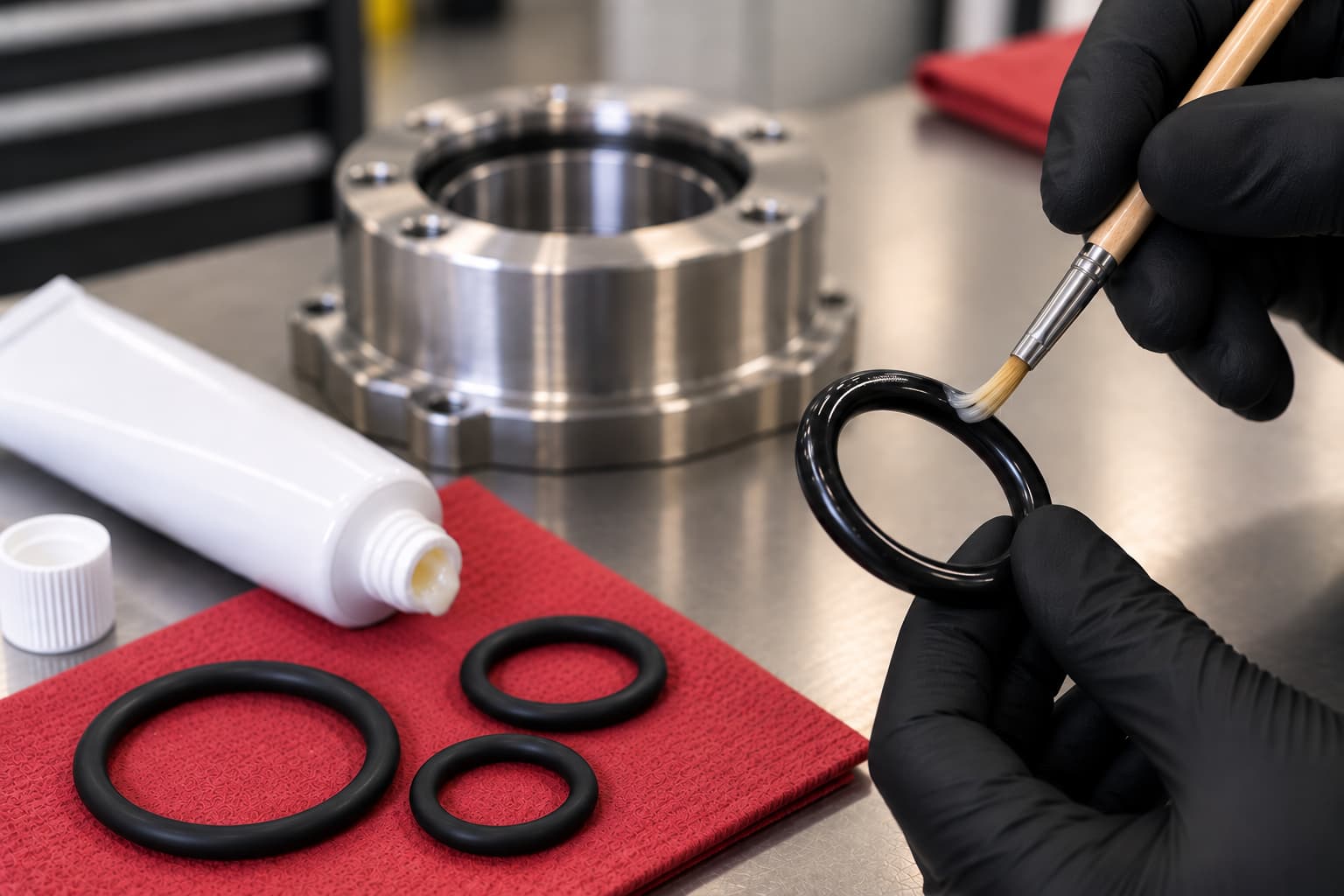
O-lube may seem like a minor part of a sealing system, but the wrong lubricant—or no lubricant when one is needed—can contribute to installation damage, material incompatibility, and premature seal failure.

Wyatt Seal Blog

Choosing the right sealing material is critical to performance, uptime, and overall equipment life—especially in hydraulic systems exposed to high pressure, temperature extremes, and constant motion.

When reliable sealing is critical, selecting the right elastomer makes all the difference. Two of the most capable materials on the market—FKM (fluoroelastomer) and FFKM (perfluoroelastomer)—are often compared for their impressive chemical and temperature resistance.reliability.
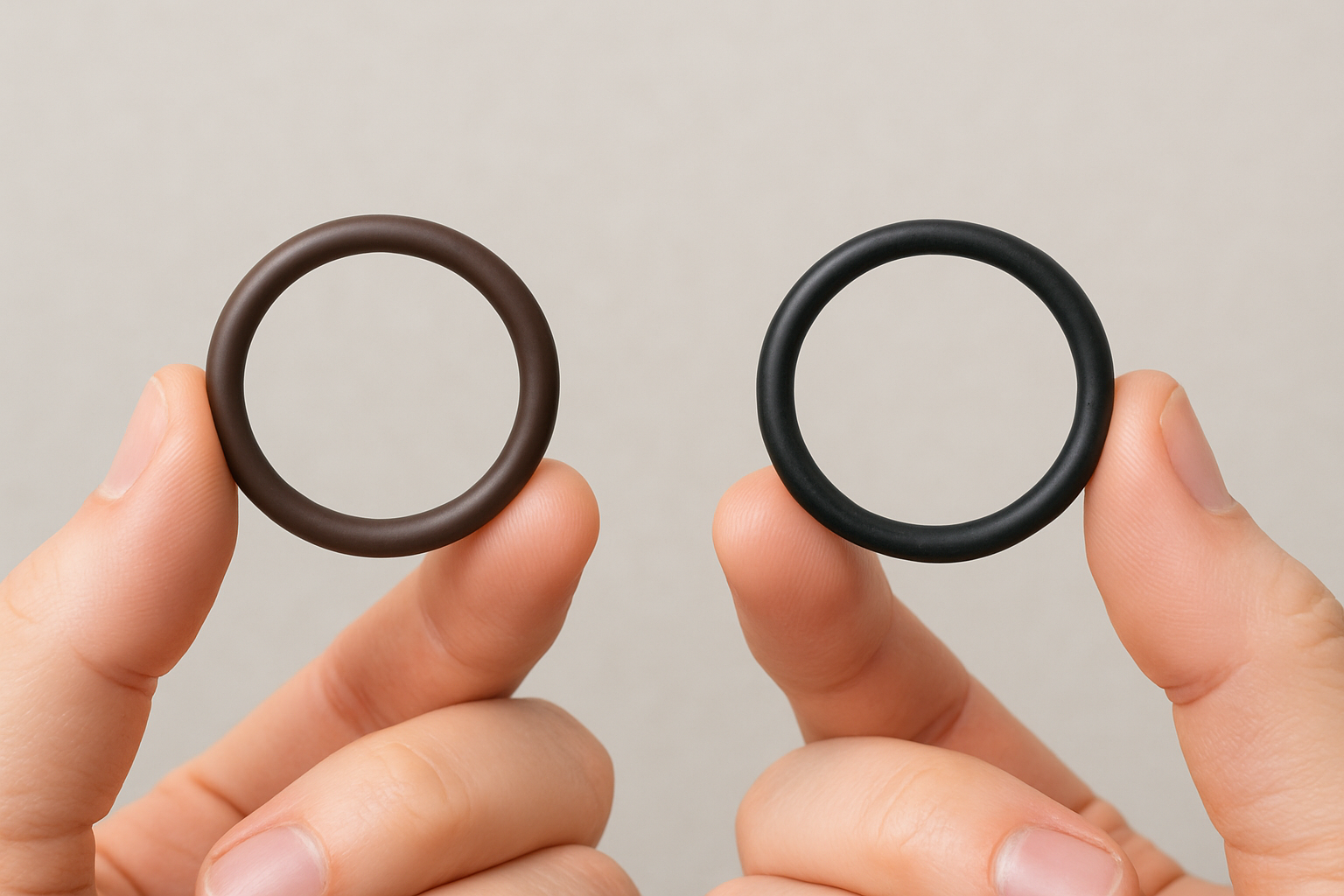
Choosing the right O-ring material is critical to the performance and longevity of your seal. Among the many options available, Viton® and nitrile stand out as two of the most widely used. Both offer strong sealing capabilities, reliable compression set, and distinct chemical resistance profiles. But how do you know which is the better fit for your application?
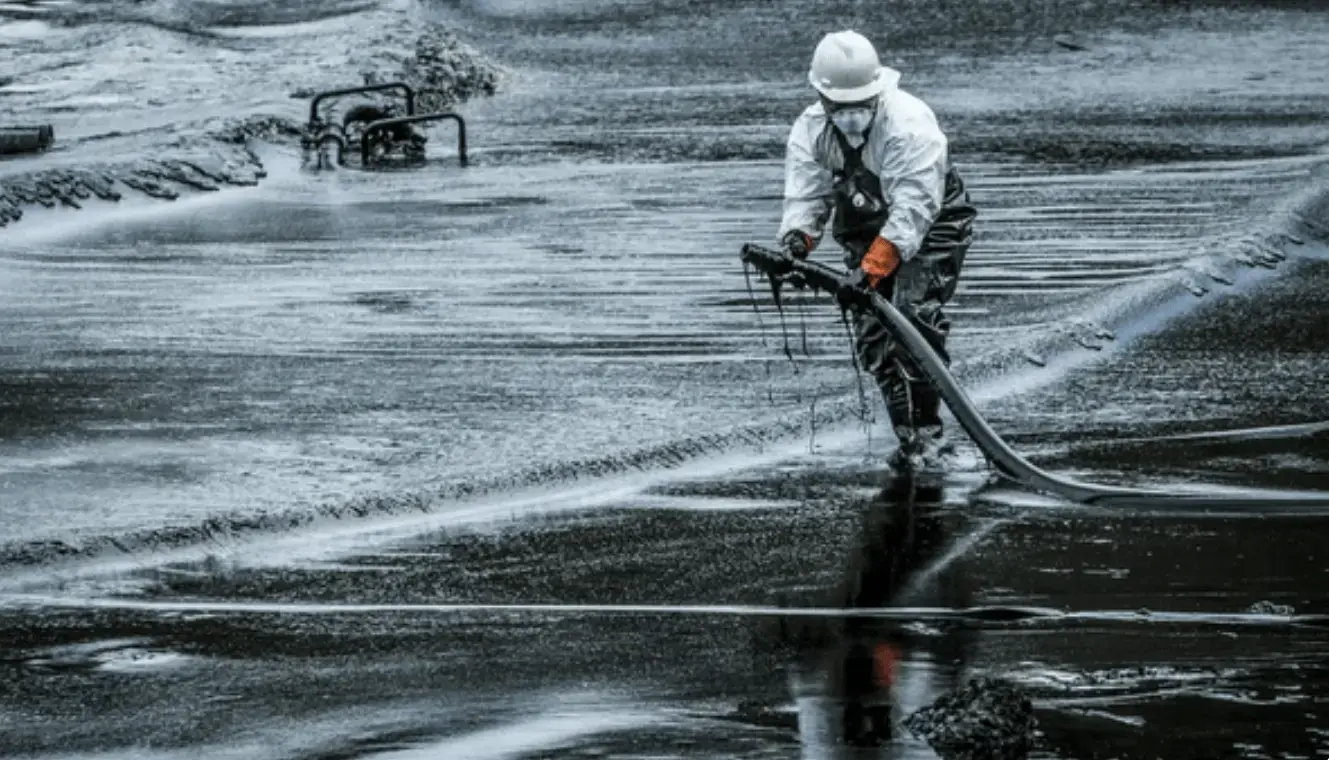
Seals serve as essential components across various industries, ensuring containment, preventing leaks, and maintaining operational efficiency. However, their effectiveness can be compromised by a range of defects, each with its own set of consequences.
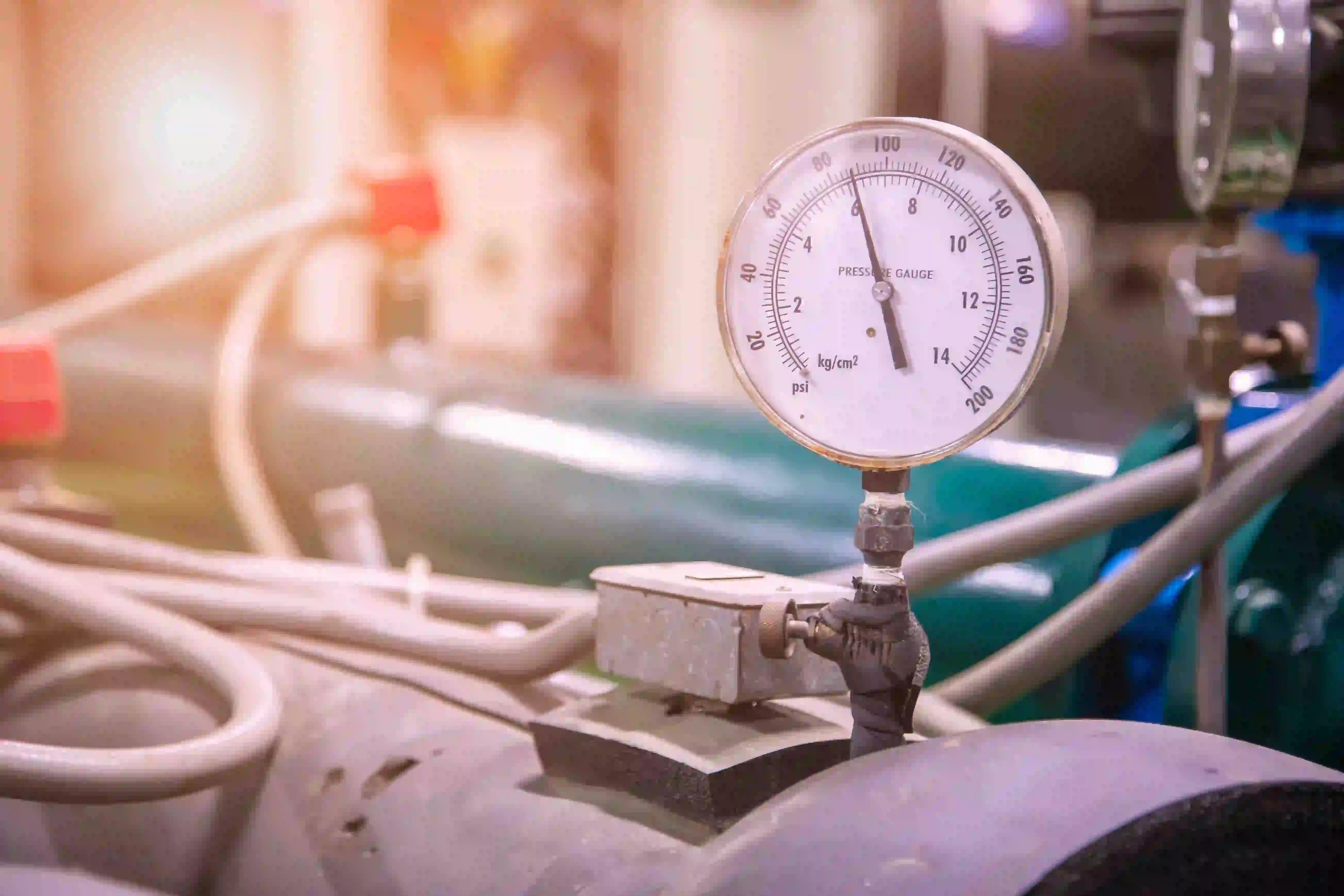
Learn how to select the perfect seal based on pressure dynamics related to the environment, material properties, and testing best practices to ensure optimal performance.
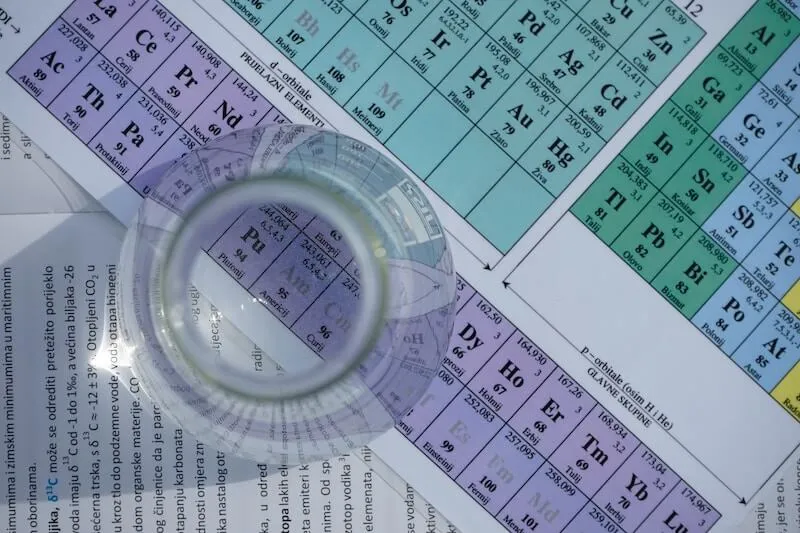
This guide simplifies seal selection by focusing on chemical compatibility. It considers media types, environmental factors, application types, temperature, and pressure impact. It's a helpful resource to ensure you find the right seal for any application.
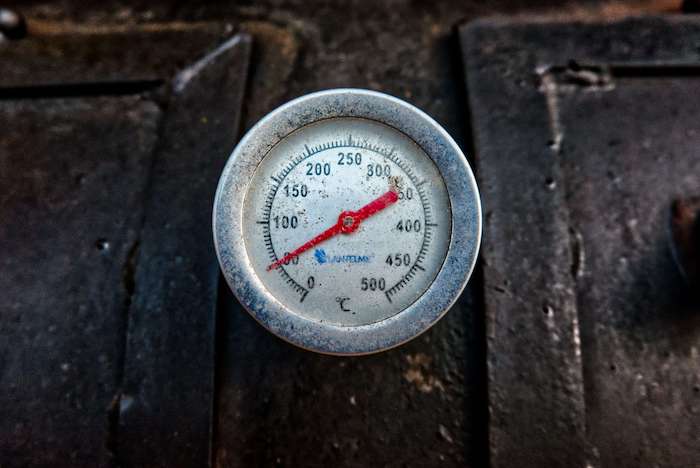
Understand the importance of temperature ranges, media, application type, and pressure in seal performance and durability to choose the right O-ring. This guide will help you select the ideal material for your specific needs, ensuring optimal functionality.
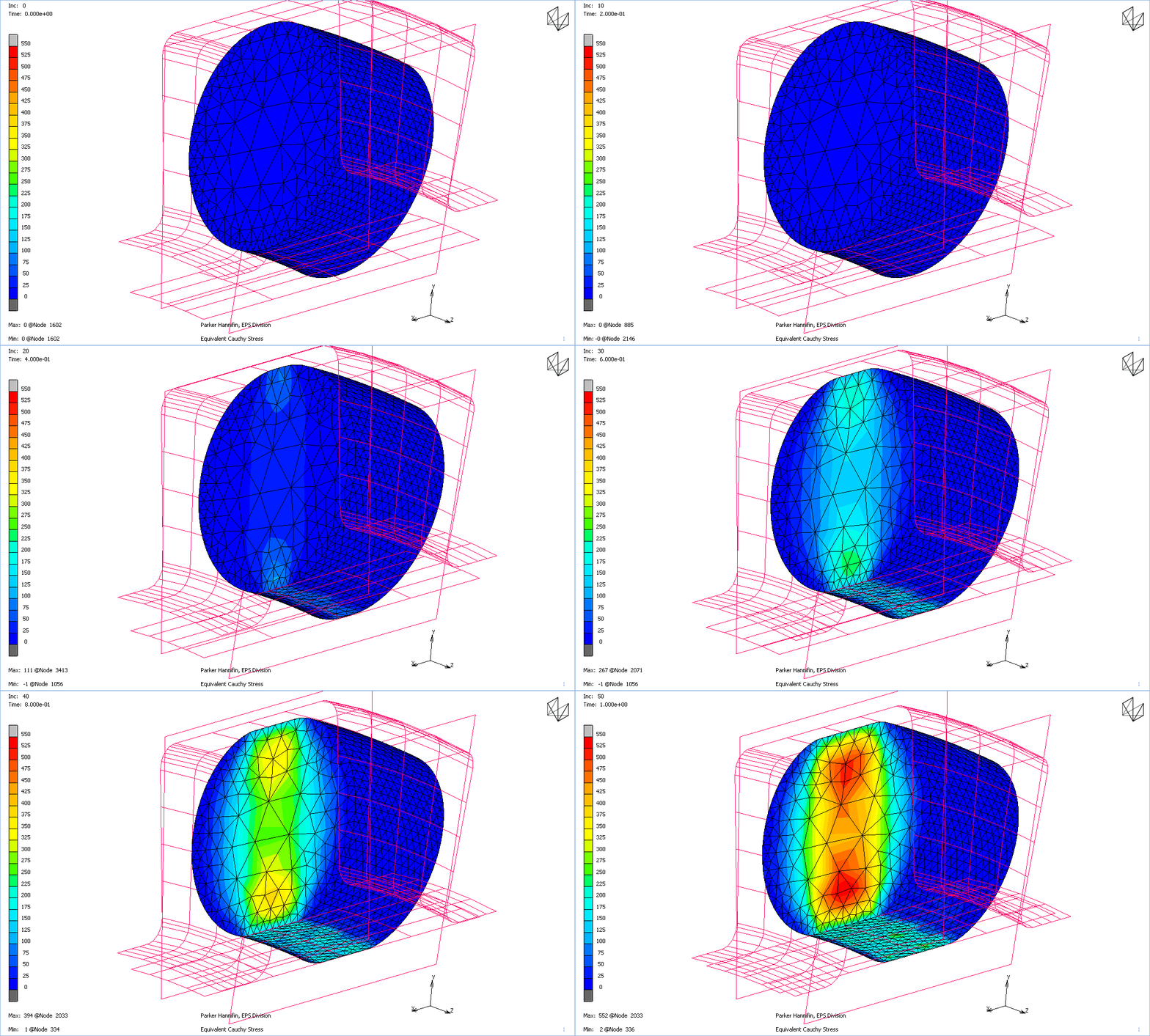
Designing the right seal for a challenging application can feel overwhelming—especially when failure isn’t an option. That’s where Finite Element Analysis (FEA) comes in.

Not all O-rings are created equal when it comes to O-ring shelf life, as materials deteriorate at different rates. O-rings play an essential role in many types of equipment, and they may fail if the seals are not stored properly or past their useful lifespan.
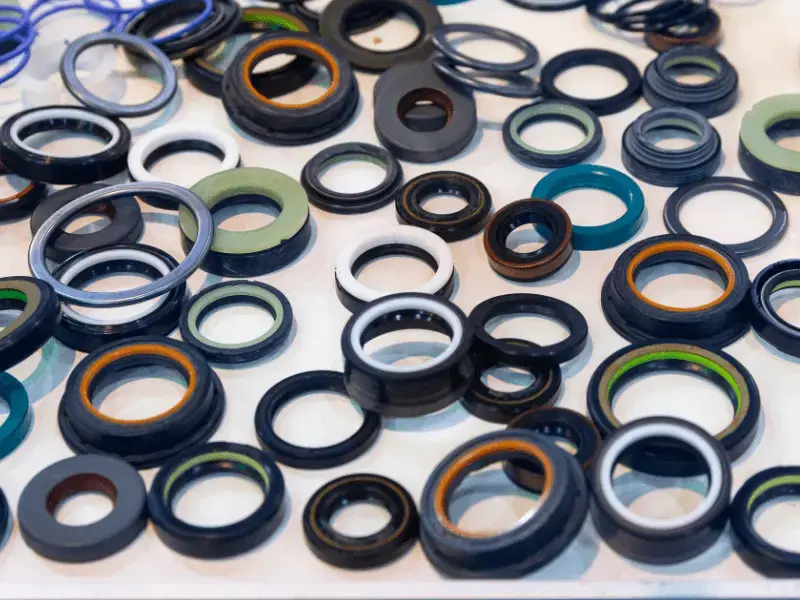
Here's a detailed guide on how temperature range, pressure, and fluids and viscosity specifications will dictate the type of industrial seal you need.
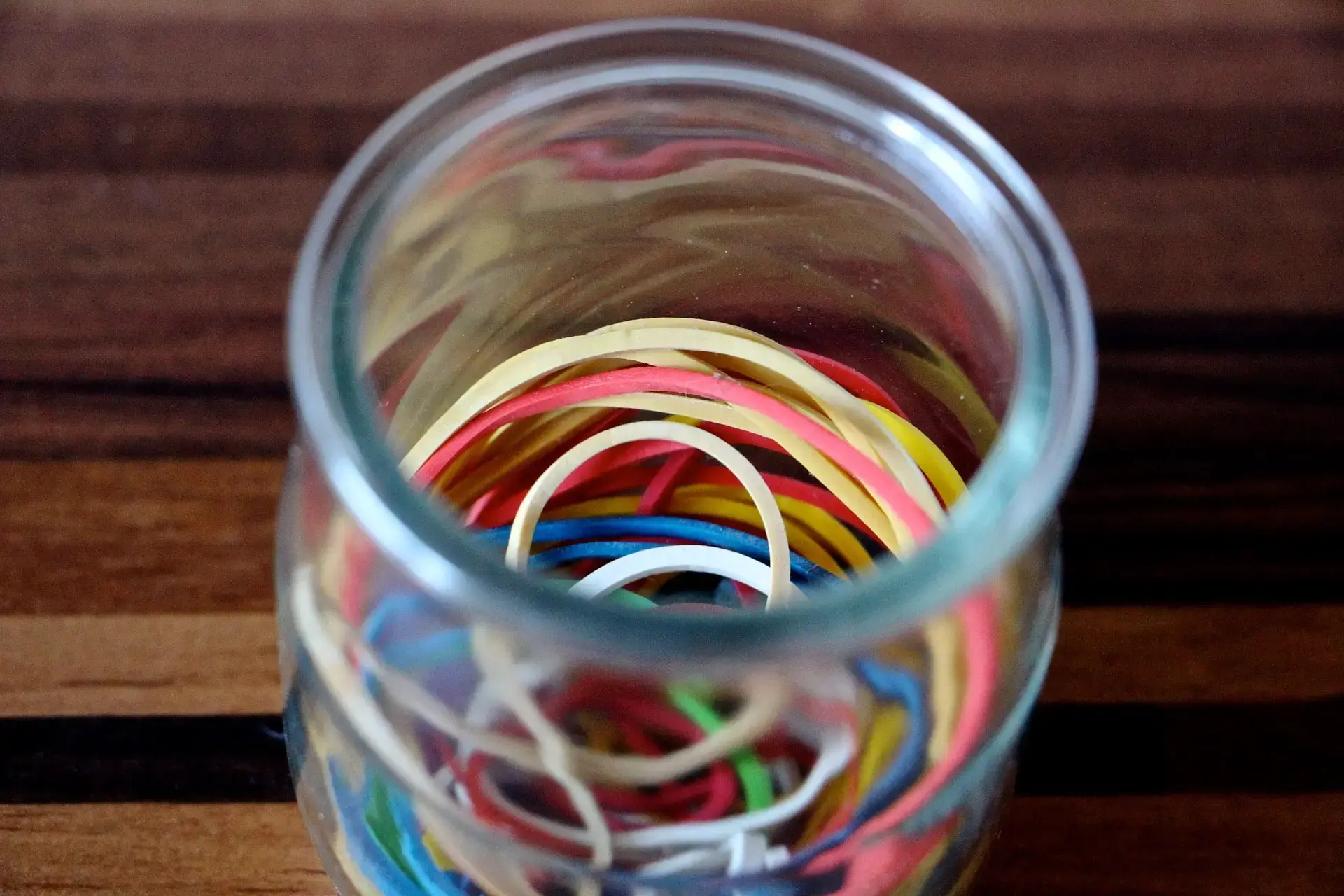
When it comes to sealing solutions, choosing the right O-ring is critical, and one of the most important factors to consider is shore hardness. But what exactly does this term mean for your project?
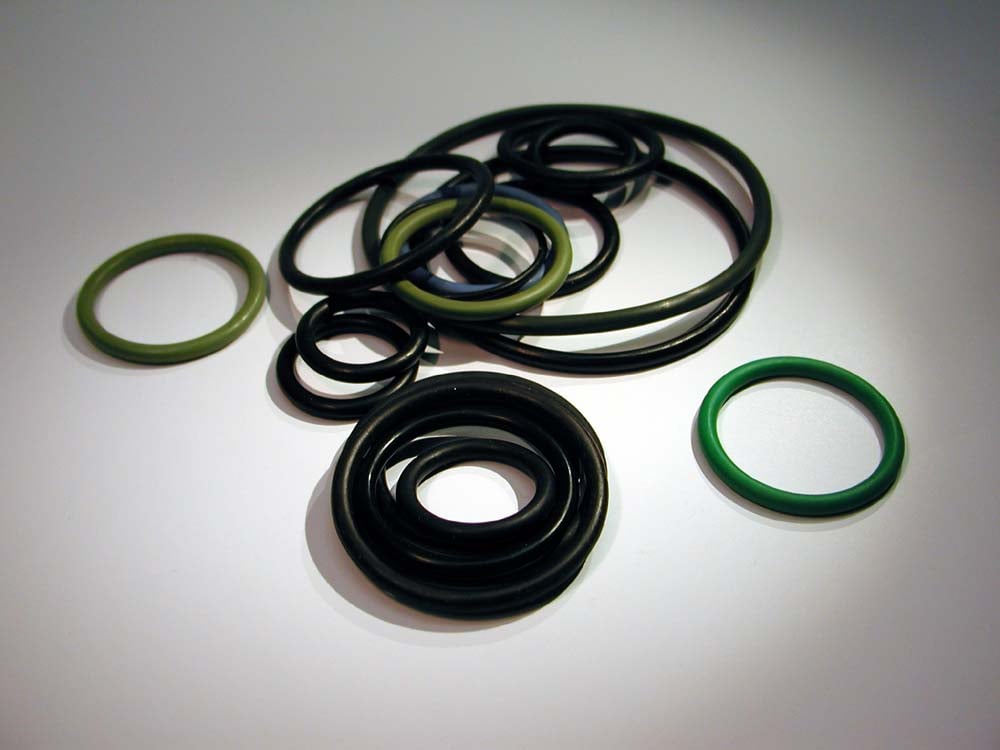
Central to the effectiveness of O-rings is the concept of "squeeze" – a measurement of the deformation they undergo when compressed against their mating hardware.